You have three minutes to speak with a policymaker after a conference panel. What would you ask? And how could that short conversation become a professional connection worth maintaining?
Youth diplomacy forums bring students and emerging leaders into conversations about international relations, public policy and global affairs. What matters is how you prepare, contribute and stay in touch.
Why networking at youth diplomacy forums matters
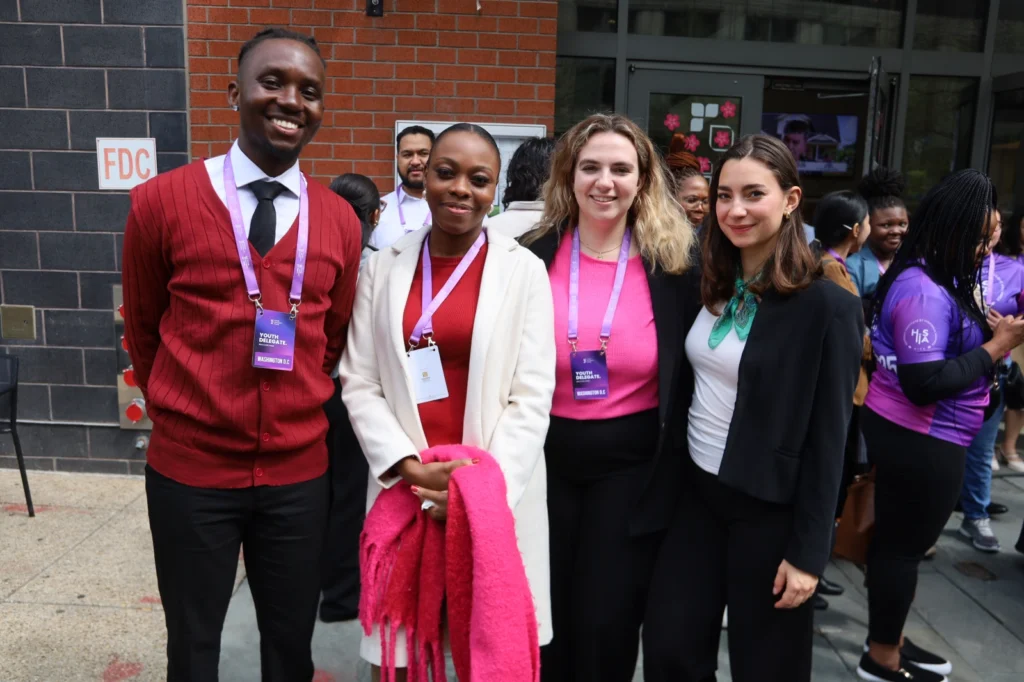
A diplomacy forum offers more than introductions. People may discuss climate action, peacebuilding, education or governance with others who approach those issues from different backgrounds. That shared subject gives a conversation a reason to continue.
At HISA’s Future Diplomats Forum 2025 in Washington, D.C., the organizer reported international dialogue, participant Youth Statements, institutional visits and a networking dinner. They do not, by themselves, prove that attendees secured jobs, mentors or partnerships.
Who can you meet at a diplomacy forum?
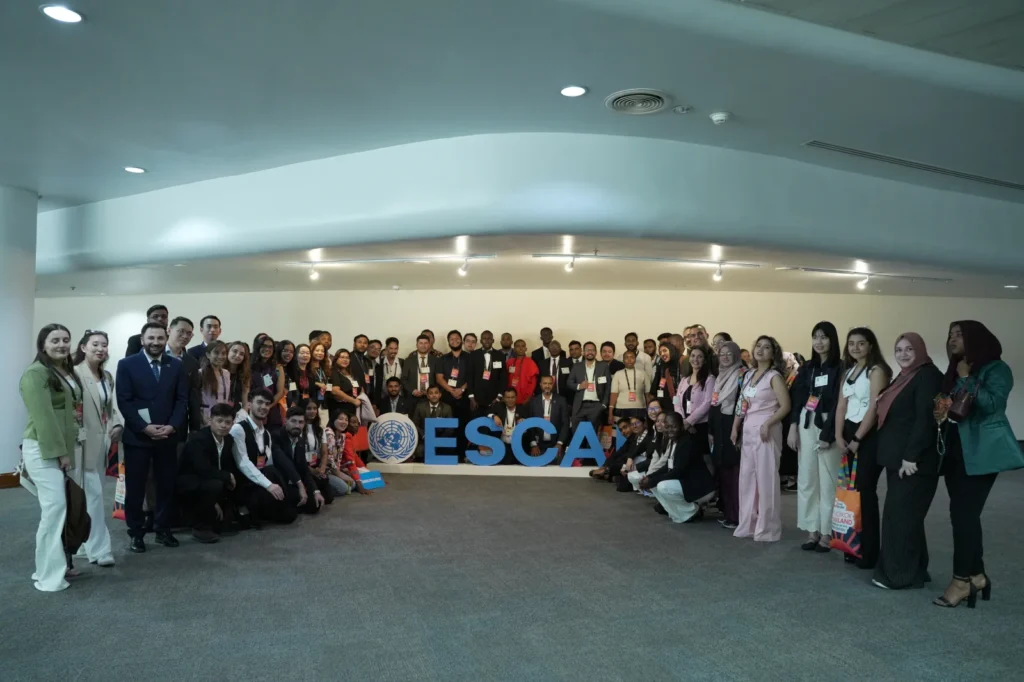
Different people bring different knowledge. Policymakers may explain how public decisions are made and which constraints institutions face. Researchers can discuss evidence, methods and unanswered questions. Diplomats can offer perspectives on negotiation and cross-cultural communication.
Fellow delegates deserve equal attention. A student from another country may challenge your assumptions or share firsthand experience of a policy issue. Peer relationships may be easier to maintain because participants can continue exchanging ideas as their work develops.
Where real conversations begin
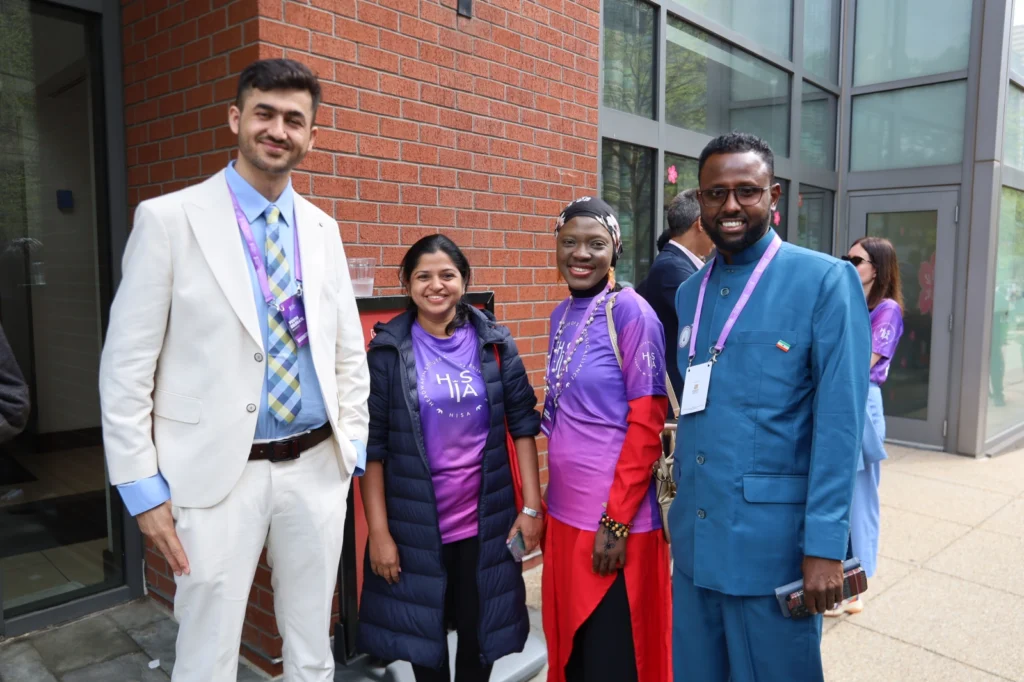
Panels, workshops, small-group discussions and informal breaks offer different openings. After a panel, ask a speaker about one claim that interested you. In a workshop, listen to how teammates approach the same challenge. During a break, return to an idea someone raised rather than starting with a generic request for career help.
HISA also documents a wider history of international programs on its events page. Those events vary in format and location; they should not be presented as identical experiences or as proof of particular career outcomes.
On its Global Youth Convention 2025 page, HISA publishes a testimonial attributed to Ikram Benlahcen, a participant in International Volunteer Forum 2.0, describing friendships and networking opportunities. This is a participant account hosted by the organizer, not independent proof of a career outcome.
Prepare before you arrive
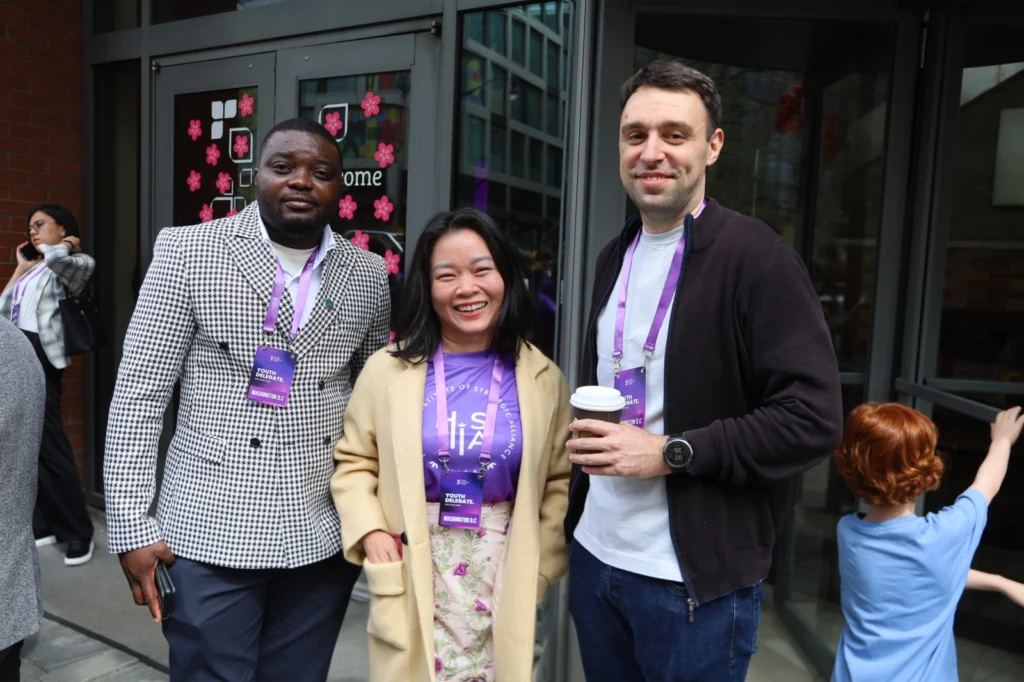
Read the agenda and choose two or three sessions connected to your interests. Prepare a short introduction: your name, what you study or do, and a policy question you care about. Then write down two questions you genuinely want answered.
For example, instead of asking “Can you help me find a job?”, ask “What evidence has shaped your institution’s approach to youth participation?” A focused question creates room for a useful exchange.
During the event, contribute when you have something relevant to add. Listening carefully and acknowledging different cultural or professional perspectives matters as much as speaking confidently.
Approach speakers and peers respectfully
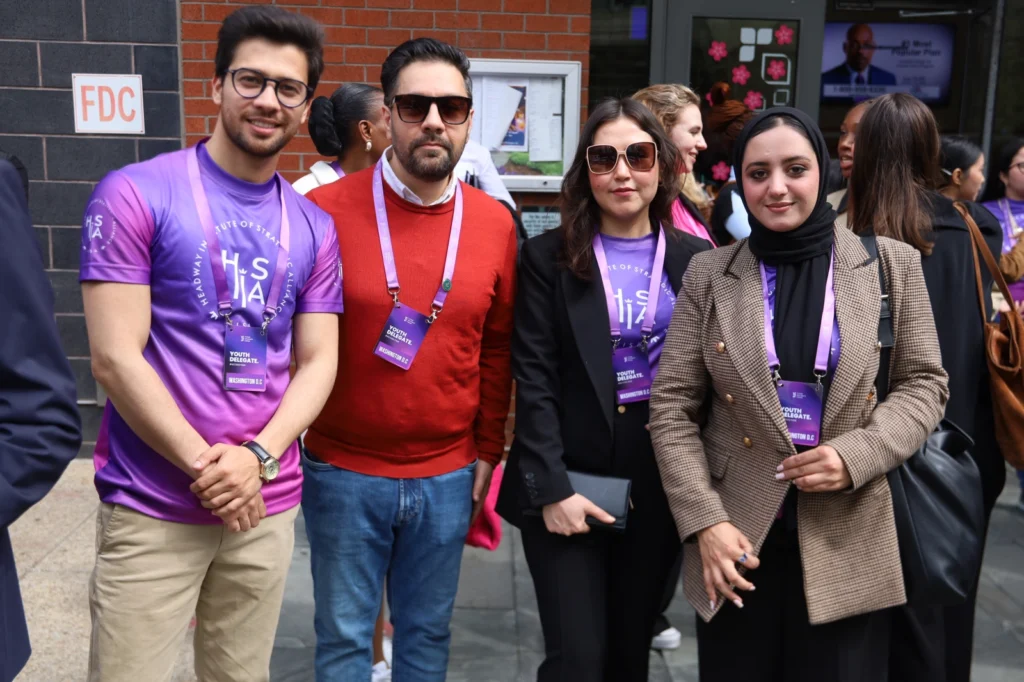
Begin with the subject you just discussed. Refer to a point from the session and ask a brief follow-up. If the person is busy, respect their time: “Would you be comfortable staying connected after the forum?”
The UN Youth Office’s guidance on meaningful youth participation emphasizes inclusion, partnership and sustained engagement. Those principles are useful reminders, but the guidance does not establish that attending a particular forum leads to a career opportunity.
Follow up with a reason to reconnect

Within a few days, send a short message mentioning where you met and the idea you discussed. Ask one reasonable question or share one relevant resource, rather than sending a long request.
A message could say: “It was good to speak after the youth participation panel. Your point about feedback in policy consultations stayed with me. I would be glad to follow your work and stay connected.”
Later, reconnect only when there is a genuine reason: a relevant study, a shared project interest or a thoughtful response to their work. One respectful exchange is more useful than a large list of contacts who never hear from you again.
Choose a forum with meaningful participation
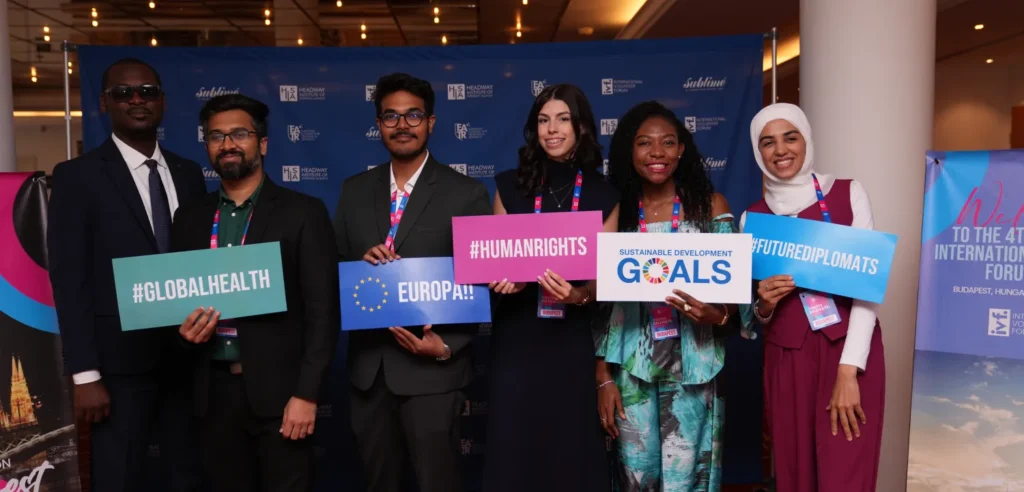
Before applying, review the organizer, speakers, selection process, fees, financial support and program format. Look for time to ask questions, participate in discussions and speak with peers. A program made up entirely of presentations may provide fewer opportunities for exchange.
The OECD Youth Policy Toolkit discusses meaningful youth involvement in public decision-making. Its broader principles are useful when assessing an event, though they should not be treated as evidence about any individual forum.
Common questions about networking at diplomacy forums
Can attending a forum guarantee a job or mentor?
No. Attendance can create introductions and give you communication practice, but no individual contact is obliged to provide career support. Judge an event by its stated program and credible evidence, not by promises about future success.
What is the best way to network at a youth diplomacy forum?
Prepare one informed question, listen for shared interests, request permission to stay in touch and send a short, specific follow-up. The quality of a conversation matters more than the number of contacts you collect.