A UN Youth Delegate may join their country’s official delegation at intergovernmental meetings. That is very different from representing an assigned country at a student conference. It also shows that there are many alternatives to Model UN.
Model UN gives participants a setting to practise research, debate and public speaking. But diplomacy experience without Model UN can also come from youth delegate programmes, parliamentary role plays, policy internships, remote projects, workshops and facilitated forums.
Each option develops different skills. Some let you practise negotiation under pressure. Others show how research, meetings and institutional decisions work in practice.
Six alternatives to Model UN
The best choice depends on what you want to practise.
- Youth delegate programmes are best for official representation. Selected young people may join a national delegation at intergovernmental meetings.
- Parliamentary role plays and youth parliaments are useful for debate, compromise and coalition-building.
- Policy internships can build research, writing and institutional knowledge.
- Remote volunteering offers project-based experience when travel is not possible.
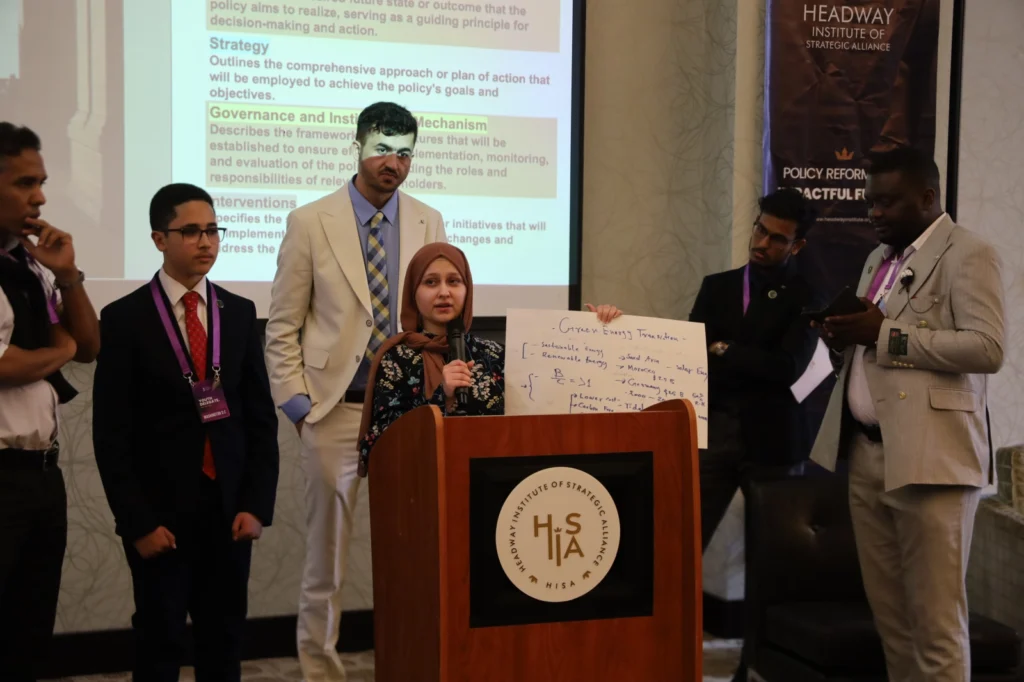
- Diplomacy workshops and simulations provide guided practice in negotiation, public speaking and live scenarios.
- Forums and leadership programmes can support cross-cultural exchange and policy dialogue when participants have an active role.
These experiences are not interchangeable. A simulation offers structured practice. An internship can show what happens before a policy decision or international meeting. Official representation carries a different level of responsibility.
Youth delegate programmes can lead to official representation
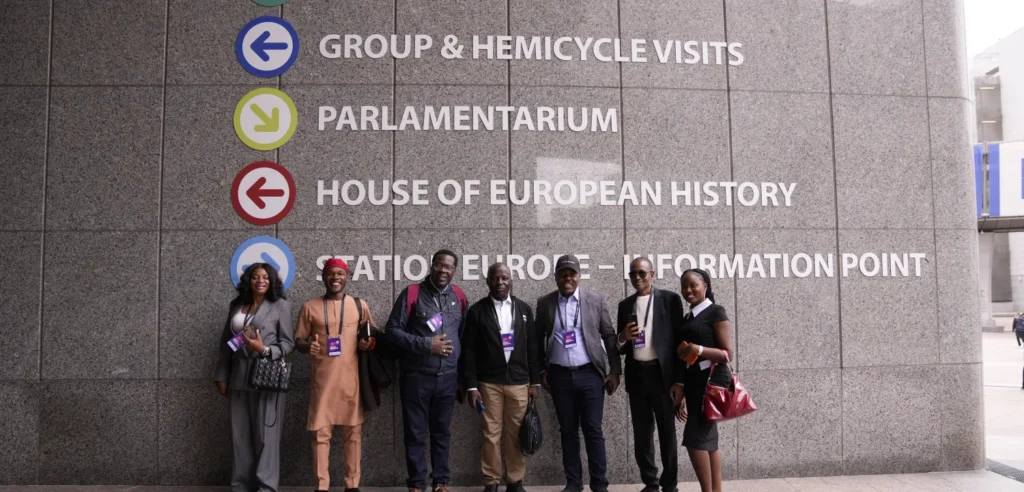
For experience connected to real international institutions, a youth delegate programme may be one of the closest alternatives to Model UN.
At the United Nations, Member States usually select youth delegates for one or more intergovernmental meetings. They join their country’s delegation. Unlike a Model UN conference, they may contribute within the role set by their government or programme.
Responsibilities vary. Youth delegates may organise side events, join discussions or make statements. Others focus on consultation, outreach or learning from the process.
UN DESA reported that 63 youth delegates from 37 Member States took part in the 78th session of the UN General Assembly. This was not a yearly total, and not every country offers a place.
Eligibility, selection and funding vary widely. The United Nations Guide to the Youth Delegate Programme explains what to look for in your national context.
Parliamentary role plays develop compromise and diplomatic skills
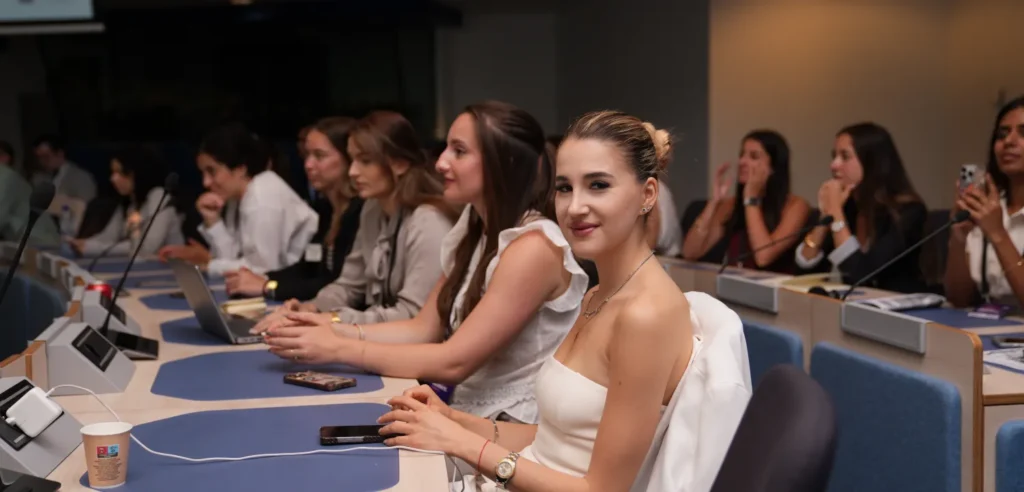
Diplomacy is not only about giving a strong speech. It also means listening, finding common ground and accepting trade-offs.
Parliamentary simulations let participants build alliances, respond to disagreement and find wording that different groups can support. They are an educational simulation of legislative work rather than direct diplomatic service, but they let participants practise skills also used in diplomatic settings.
The European Parliament also offers a role-play activity for people aged 14 and above. Participants take parliamentary roles, form alliances and work towards consensus.
Virtual options can make this experience easier to access. The European Commission has a free virtual European Parliament role-play for facilitated groups in 24 languages. Participants debate, negotiate, compromise and vote on a proposed law.
Similar opportunities may be available through schools, universities, youth councils, student clubs and civic organisations. They can build preparation, communication and group decision-making skills.
Internships and remote projects show how policy work happens
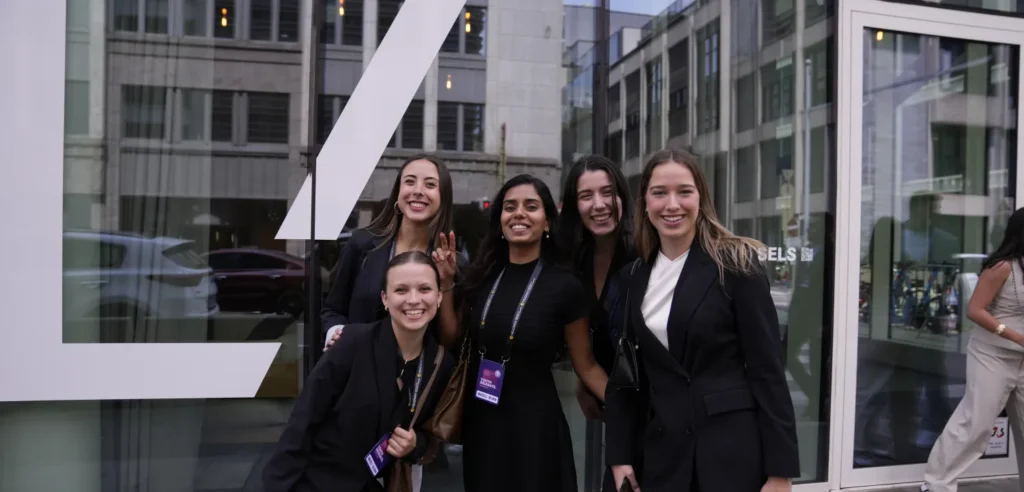
If you are more interested in the work behind diplomacy, a policy internship or project role may suit you better than a simulation.
These roles can involve research, briefing, drafting, meeting preparation and data analysis. They are not formal diplomatic representation. Still, they can show how institutions develop ideas, prepare decisions and communicate their work.
UN Secretariat internships, for example, can involve research, drafting, conference support, data analysis and policy assistance.
Forums and workshops support active policy dialogue
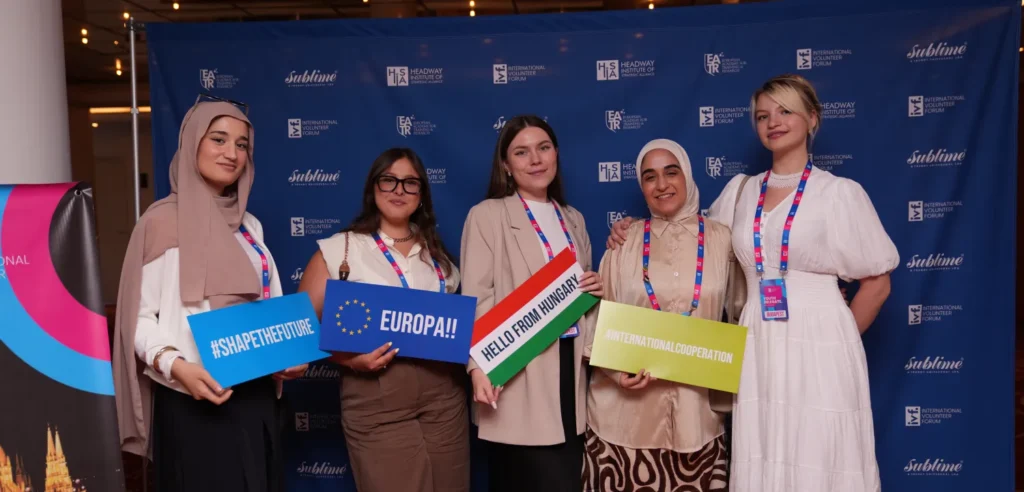
Forums, leadership programmes and diplomacy workshops can bring together people with different experiences, nationalities and policy interests. Look for a clear agenda, time for discussion and skilled facilitation.
Strong diplomacy workshops and simulations ask participants to study a problem, negotiate options, test ideas and present proposals. They give people an active role rather than only an audience seat.
For example, HISA’s Future Diplomats Forum 2027 in Geneva includes workshops, diplomatic simulation and negotiation exercises. It also lists scholarship seats. Before applying, check current eligibility rules, funding coverage, deadlines and visa requirements with the organiser.
These programmes can support policy dialogue, youth leadership and cross-cultural exchange. They are not formal diplomatic service and do not guarantee an international career. They can offer a place to practise, contribute and learn with others.
Choose an experience that fits your goal

- Choose a simulation for regular practice in debate, public speaking, negotiation and time-sensitive responses.
- Choose an internship or policy role for research, writing, meetings or institutional work.
- Choose remote volunteering when travel is not possible and you want to support a defined project.
- Consider a youth delegate programme if your country offers one and you are ready for a selective process.
- Choose a forum or workshop for structured dialogue and cross-cultural exchange with students or early-career professionals.
Before committing, review the agenda, participation format, costs, scholarship conditions and any travel or visa support. Choose the option that gives you credible, active experience linked to your next goal.
Frequently asked questions
Is Model UN still a thing?
Yes. Model United Nations is one format where students can practise research, debate, public speaking and negotiation. It is useful, but it is not the only route to diplomacy-related experience.
What can I do if I cannot travel for a diplomacy programme?
Virtual role plays and remote volunteer assignments can help you practise collaboration or support a defined project. They do not replace in-person representation or institutional work, but they can be a practical starting point.