A certificate may look good on a resume, but what can you actually take away from a youth leadership program? For students and early-career professionals interested in diplomacy, policy or sustainable development, the answer is often more practical than a line on a CV: opportunities to speak up, work with new people, see global issues from different perspectives and build relationships that last beyond an event.
The benefits of youth leadership programs depend on the format, the people involved and what participants do afterward. A forum cannot promise a job or a place in diplomacy. It can, however, give young people a setting to practice skills that are difficult to learn from lectures alone.
1. Turn knowledge into practical leadership skills
Reading about international cooperation is different from discussing a policy problem with people who hold opposing views. In workshops and simulations, participants may need to explain an idea clearly, listen carefully, defend a position respectfully and make decisions as a group.
These are useful skills whether someone later works in government, research, business or a community organization. A review by County Health Rankings & Roadmaps finds some evidence that youth leadership programs support self-efficacy and may help with social skills, problem-solving and civic participation. Much of that evidence concerns school-age and community programs, so it should not be presented as proof of the same outcomes at every international forum.
2. Build connections across countries and fields
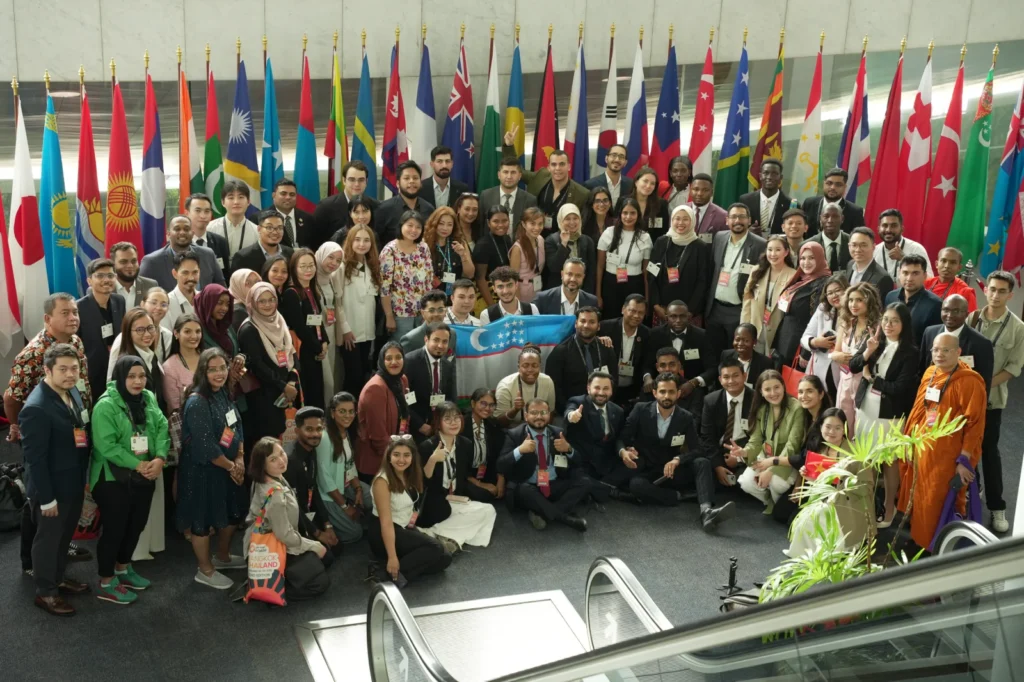
A good introduction at a leadership event can lead to a conversation about a shared research interest, a community initiative or a career path a participant had never considered. The real value of networking is not how many contacts someone collects. It is whether those contacts become worthwhile professional relationships.
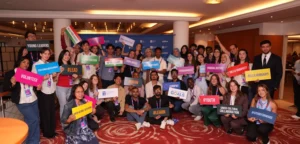
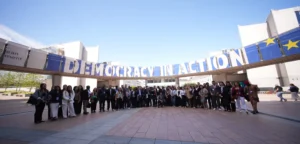
HISA’s Future Diplomats Forum 2025 in Washington, D.C., included a networking dinner, participant-led Youth Statements and visits to U.S. institutions. According to HISA’s event report, delegates represented more than 90 nationalities. That is a concrete example of the cross-cultural interaction such gatherings can provide.
To make the most of a new connection, follow up with a short message that recalls your conversation, share a relevant resource, and stay in touch when there is something useful to contribute.
3. Gain a clearer picture of possible careers
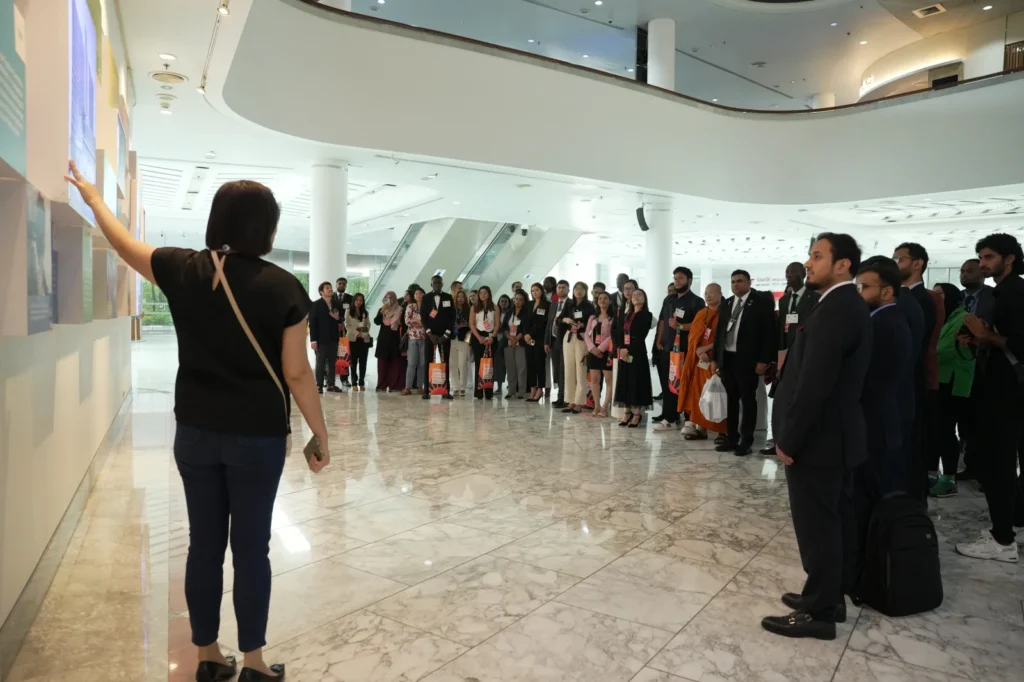
Students interested in diplomacy or global governance do not always know what the day-to-day work involves. A discussion with a researcher, a policy professional or another delegate can help them understand unfamiliar roles and identify skills they want to develop next.
An OECD report on skills and opportunity highlights the importance of social capital, career guidance and exposure to the world of work. A 2026 systematic review of 19 studies on graduate mentorship also found benefits for professional confidence and career readiness, while evidence of direct employment outcomes was mixed. That review concerns mentorship in higher education; it should not be used to claim HISA offers a formal mentoring scheme or guarantees career results.
4. Learn to contribute to public discussions

Youth leadership is not only about individual careers. It can also provide practice in identifying a community problem, listening to affected groups and making a constructive case for change. A participant interested in climate action might come away with better questions for a local initiative. Someone interested in education policy may better understand how ideas are debated and challenged.
The United Nations Youth Office describes meaningful participation as recognizing young people’s contributions to positive change. That principle matters when youth are given genuine opportunities to express ideas, rather than simply attend an event as spectators.
5. Make the experience useful after the event
The days after a forum can matter as much as the sessions themselves. Participants can turn a short-term event into an ongoing learning experience by taking a few practical steps:
- Write down two or three useful ideas you want to apply.
- Follow up with speakers or peers you genuinely connected with.
- Join a relevant project, volunteer activity or research discussion.
- Keep track of your progress without expecting immediate career rewards.
- Review the actual agenda, costs and funding conditions before applying to another program.
HISA’s Future Diplomats Forum 2025 report offers a useful picture of the activities an international youth diplomacy forum may include. For future opportunities, review HISA’s current official program information and confirm dates, eligibility and scholarship terms directly before applying.
Frequently Asked Questions
What are the main benefits of youth leadership programs?
They can offer practice in communication, teamwork, decision-making and cross-cultural collaboration, along with opportunities to meet people who work or study in related fields. Outcomes vary by program and participant.
Can a youth leadership program help my career?
It may broaden your professional network, introduce possible career directions and give you examples of skills you have practised. Participation alone does not guarantee employment or advancement.
Are international youth leadership forums worth attending?
They may be worthwhile when the agenda fits your interests and the costs and expected learning opportunities make sense. Compare the sessions, accessibility, funding conditions and past event reports.
How do I build useful relationships at a diplomacy forum?
Ask thoughtful questions, listen carefully, exchange contact details when appropriate and send a personal follow-up. Maintain the relationship through relevant conversations or shared projects.
Do youth leadership programs offer scholarships?
Some programs offer funded participation, but eligibility, coverage and deadlines differ. Check the specific organizer’s current official program page rather than relying on general scholarship descriptions.
Interested in international youth diplomacy? Read HISA’s Future Diplomats Forum 2025 event report for a real example of its activities, and visit HISA’s official website for currently listed opportunities.