Global decisions about climate, education, migration and public health can feel distant from a student’s daily life. Yet these decisions shape the opportunities available to young people. A useful youth leadership program helps participants understand who makes those decisions, how evidence influences them and where young people can contribute.
For someone interested in international affairs, that experience can start with a policy discussion, a research project or a conversation with a delegate from another country. It does not require a diplomatic job title. It does require curiosity, preparation and the willingness to listen.
What does global governance mean for young leaders?
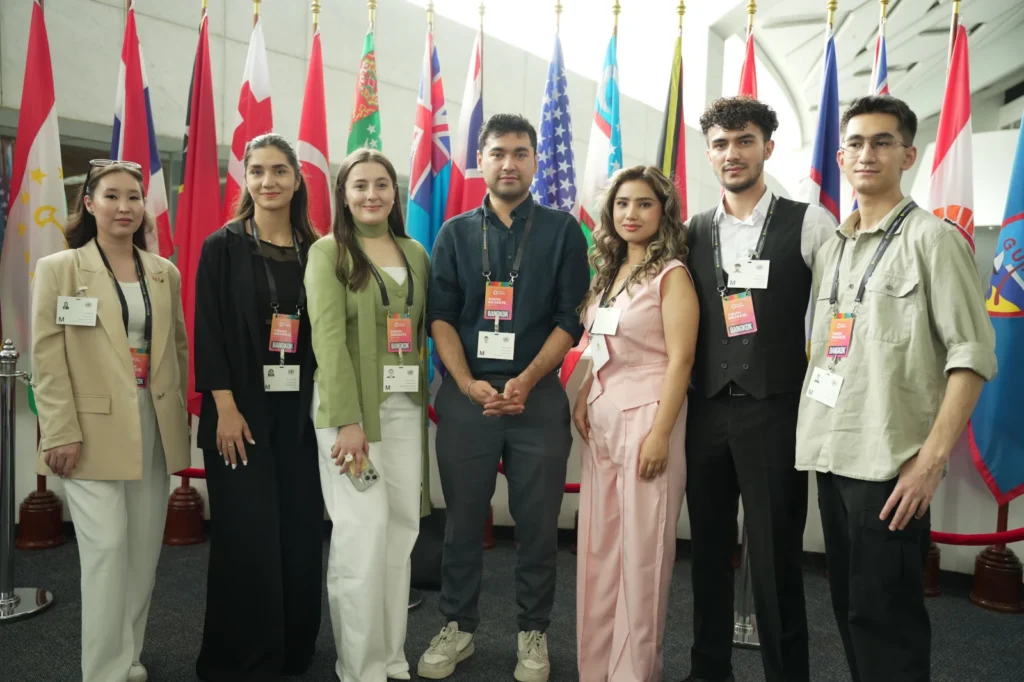
Global governance describes the ways governments, international institutions, civil society and other groups work on challenges that cross borders. It includes formal agreements but also research, public consultation and cooperation between communities.
Youth leadership programs can make this work easier to understand. Participants might discuss how climate policies affect different countries, weigh competing approaches to education or study the role of international organizations in sustainable development. The useful outcome is not a certificate by itself. It is a stronger ability to frame questions, compare evidence and explain a position respectfully.
The UN Youth Office’s guidance on meaningful youth participation sets a higher bar than attendance alone: young people should have substantive opportunities to contribute and receive feedback. That principle offers a good test of any leadership program.
Leadership skills develop through participation
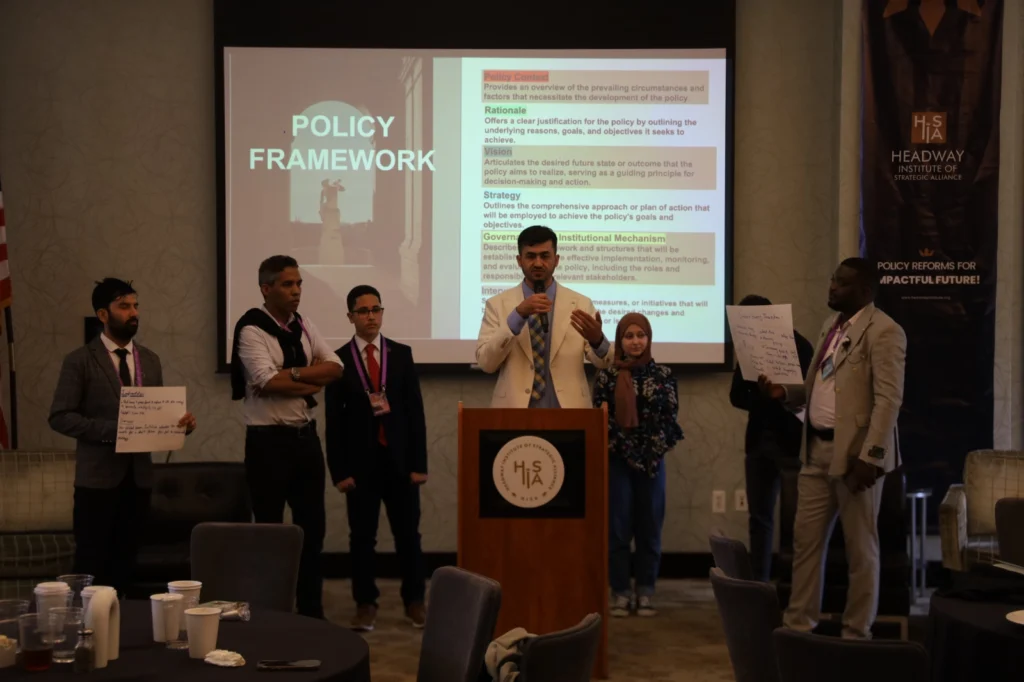
A lecture can introduce an idea. A facilitated discussion asks participants to work with it. In a policy workshop, one person may argue for quicker climate action while another raises concerns about financing. Neither perspective can simply be ignored; the group must clarify trade-offs and find a workable path forward.
These activities can strengthen several practical skills:
- Critical thinking: asking what the evidence shows, what it does not show and whose views are missing.
- Communication: presenting an idea clearly, responding to questions and adapting a message for different audiences.
- Cross-cultural awareness: listening to participants whose experiences and assumptions differ from your own.
- Collaboration: dividing work, resolving disagreements and producing a shared recommendation.
A short program cannot prove that someone has mastered these skills. It can give participants a structured setting in which to practise them.
Learning from more than one event format
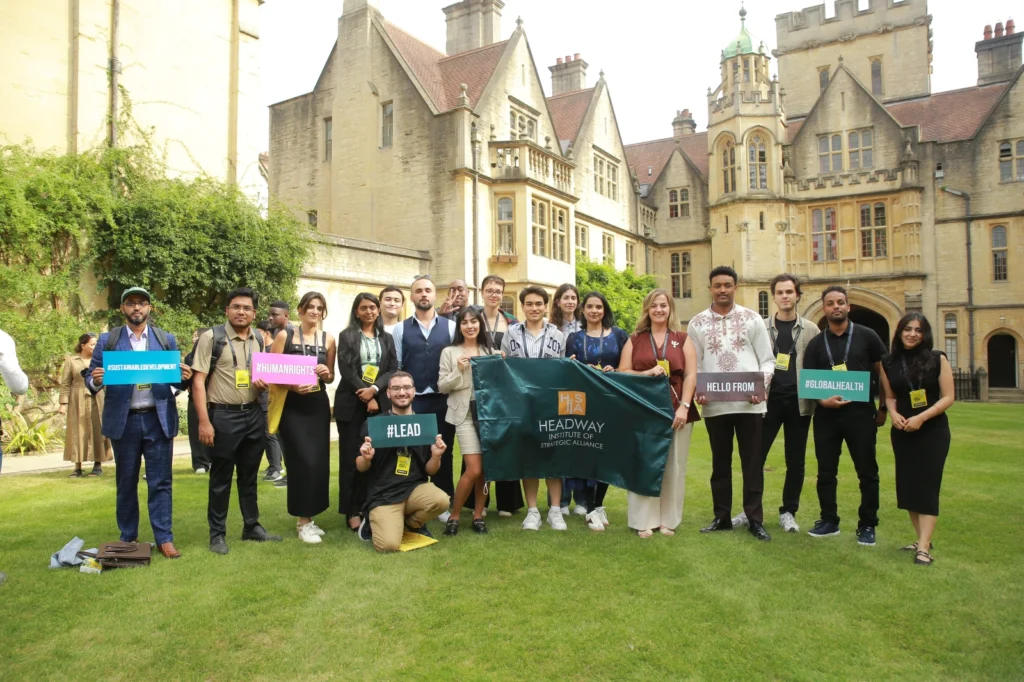
HISA’s past events directory documents different settings for international participation, including youth dialogues, volunteer forums and the Future Diplomats Forum. These formats offer distinct ways to learn. A youth dialogue may centre on exchanging views; a volunteer forum may bring attention to community action; a diplomacy forum may introduce policy debates and professional perspectives.
For a concrete example, HISA’s Future Diplomats Forum 2025 report describes international dialogue, delegate Youth Statements, institutional visits and a networking dinner in Washington, D.C. Those are documented activities, not independent evidence of career placements or policy change. Their educational value lies in the opportunities participants had to discuss issues and meet people with different expertise.
HISA also advertises the Future Diplomats Forum 2027 in Geneva for February 10–13, 2027, with planned workshops, discussions and networking. Because that event has not taken place, its activities and possible benefits should be described as plans, not outcomes.
Where research meets diplomacy
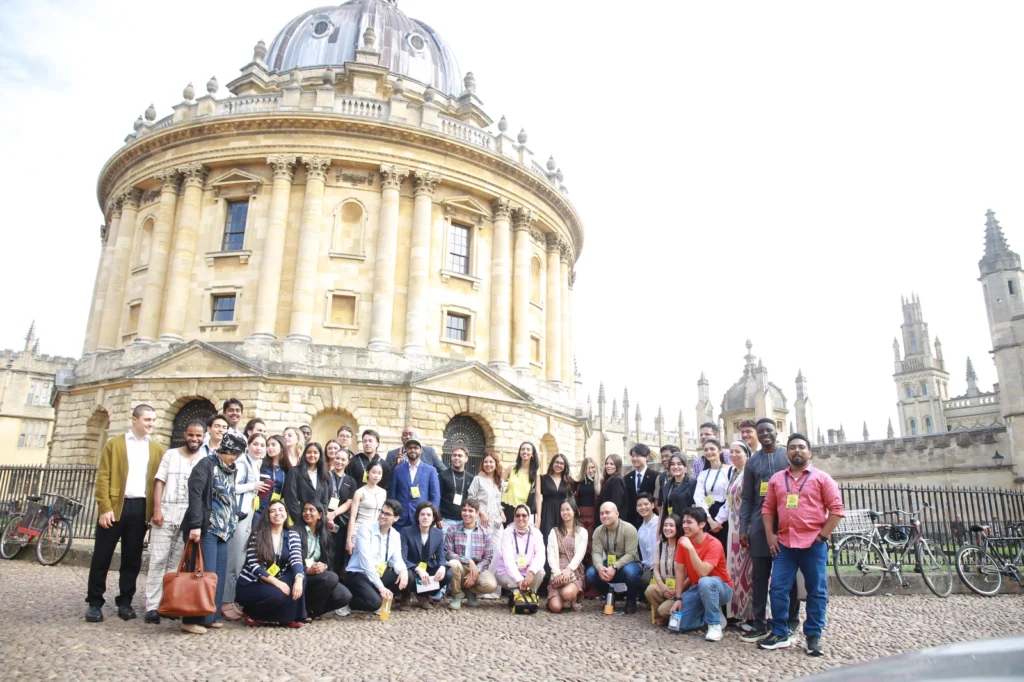
Research gives policy conversations something firmer than opinion alone. For example, a delegate discussing youth employment could compare labor-market evidence with experiences from their community. A participant interested in sustainable development could ask which solutions work in different economic settings.
Young professionals do not need to know everything before joining such a conversation. They can prepare by reading one credible report, forming a focused question and acknowledging where their knowledge is limited. A researcher may point toward better methods or missing evidence; a policy practitioner may explain institutional constraints.
The result may be greater understanding, useful contacts or an idea for future study. None of these is guaranteed, and a conversation at a forum is not the same as influence over official decisions.
Access and scholarships matter
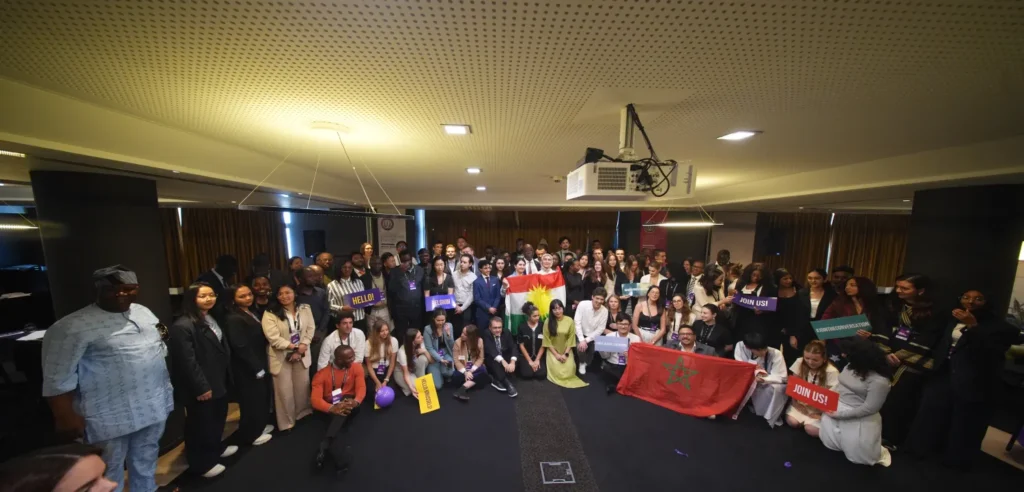
Travel, program fees and accommodation can prevent otherwise interested applicants from participating internationally. Scholarship categories may help, but applicants should check the details instead of assuming that every funded place covers the same costs.
On its Geneva 2027 page, HISA currently lists 50 fully funded, 100 partially funded and 100 forum-access places. Those are the organizer’s announced categories for a future event; the actual coverage and selection terms should be checked on the official event page before applying. An invitation or visa-support letter does not amount to visa approval.
Financial access is only one part of meaningful participation. A strong program also makes room for different backgrounds, gives delegates opportunities to contribute and explains how feedback is used.
How to choose a program that fits your goals
Before registering, identify what you actually want to gain. Is your priority public-policy knowledge, a practical leadership exercise, academic contacts or exposure to international dialogue? Then compare programs against that goal.
Look for a published agenda, named organizers, clear participation requirements and accurate scholarship terms. Ask whether delegates can speak and collaborate, rather than only attend lectures. Review how costs and selection decisions are explained. For overseas events, check travel and visa requirements independently.
You can also prepare a small learning plan: one policy issue to study, two questions to ask and one way to use what you learn after returning home. That makes participation more useful than simply collecting an attendance record.
From a forum to everyday civic participation
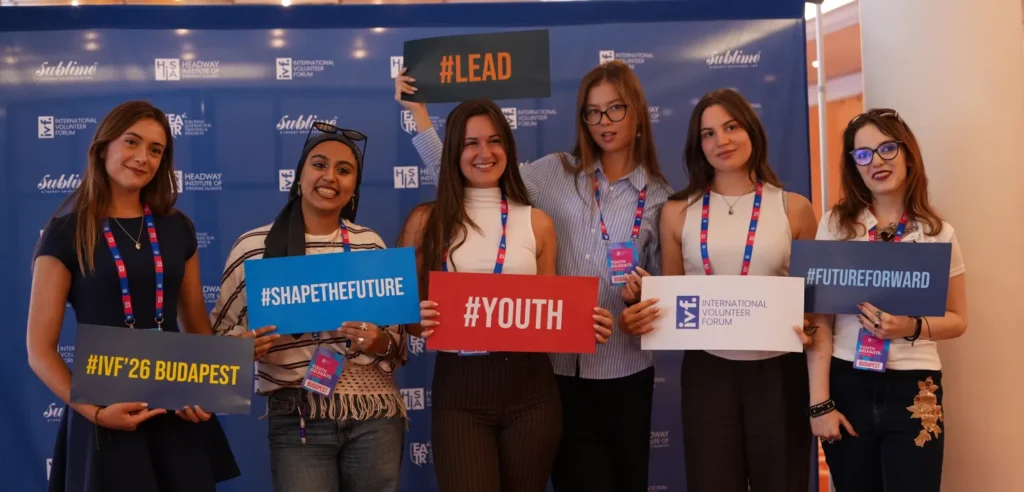
The longer-term value of a youth leadership program depends on what participants do afterward. Someone may take a better question back to a university seminar, improve a community project or continue reading about an unfamiliar policy area. These are realistic possibilities rather than promised results.
HISA’s programs are one route into policy dialogue and international learning. Readers can review HISA’s events and previous programs to understand the formats on offer and decide which opportunities fit their interests.
Frequently asked questions
Can youth leadership programs help with a diplomacy career?
They can provide exposure to policy discussions, communication practice and professional conversations. Participation does not guarantee a diplomatic position, internship or job.
Do I need prior international experience?
Not always. Eligibility varies by program. Check each event’s requirements and consider whether its format and subject match your interests.
What can young people learn from global governance programs?
Policy research, communication, critical thinking, cross-cultural collaboration and ways to participate in public dialogue.
Can leadership programs lead to diplomacy jobs?
They may offer learning and contacts, but attendance does not guarantee a job, formal role or policy influence.
How do I compare youth leadership programs?
Assess agenda, organizers, eligible participants, meaningful speaking opportunities, actual costs and funding terms.