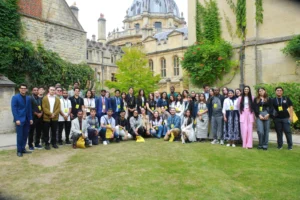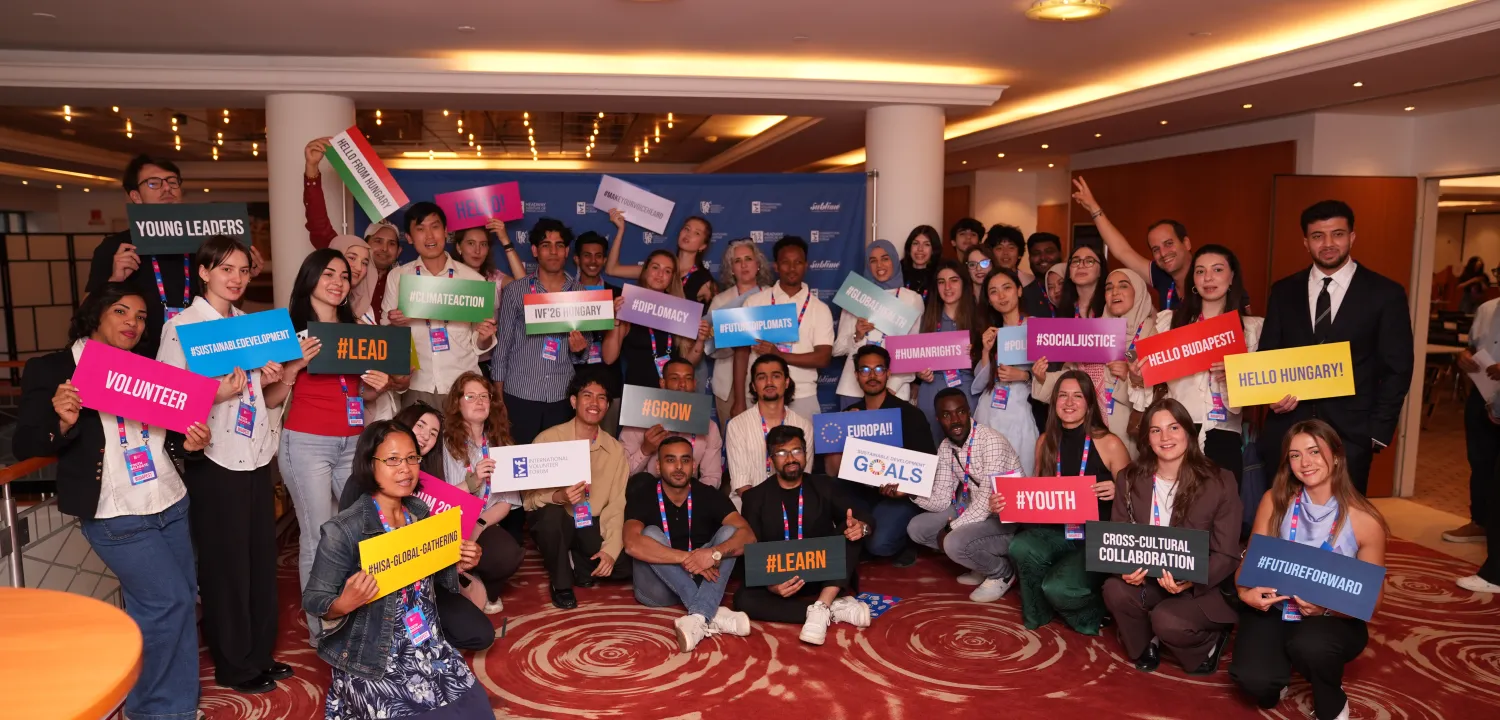
You’re home from an international youth forum. Your phone is full of photos, you’ve met people from different countries, and there’s probably a notebook somewhere filled with ideas you don’t want to forget.
But after the excitement settles, a question comes up: What do I actually do with everything I learned?
A meaningful youth forum experience doesn’t have to end when the event is over. You can use what you’ve learned, stay connected with people you met, and bring useful ideas into your university, workplace or community.
You don’t need to launch a big project. A few thoughtful steps over the next month can make the experience more useful.
The First 48 Hours: Save the Details While They’re Fresh

Start with something simple. Go through your notes, photos and contacts before you forget what happened during each session.
You might remember an interesting conversation with a researcher, a question someone raised during a policy workshop, or an idea another delegate shared about their community.
Write down what stood out and why it mattered to you.
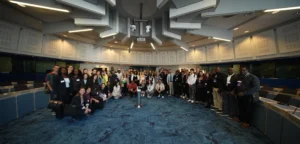
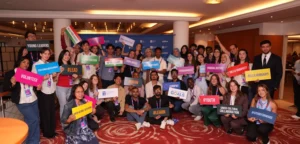
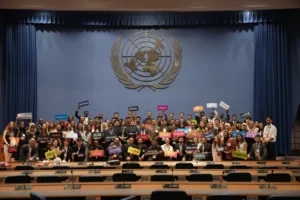
For example, HISA’s Future Diplomats Forum 2025 in Washington, D.C. included international dialogue, Youth Statements, institutional visits and a policy-design masterclass. These are the kinds of activities where participants may leave with questions, practical ideas and people they want to contact again.
You could organize your notes into four groups:
- People: Who would you like to stay connected with?
- Ideas: What new perspectives challenged your thinking?
- Resources: Which reports, books or articles do you want to read?
- Actions: Is there one thing you could try after returning home?
Don’t worry about making everything perfect. The goal is to capture what you genuinely found useful.
The First Week: Follow Up Without Making It Awkward
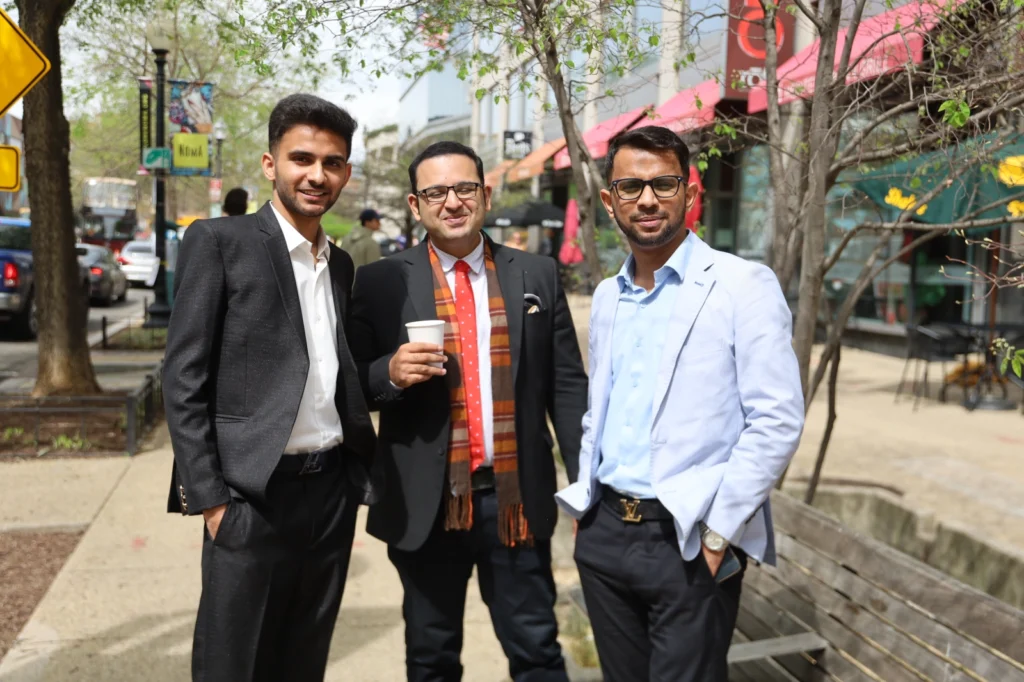
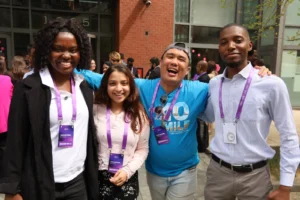
One of the benefits of youth conferences is meeting people outside your usual academic or professional circle.
But let’s be realistic. Exchanging contact details doesn’t automatically create a friendship, mentorship or professional partnership.
A good follow-up simply gives the conversation a chance to continue.
Choose a few people you had meaningful discussions with. Send a short message mentioning where you met and something specific you talked about.
You don’t need to ask for a job, recommendation or collaboration immediately.
Harvard’s networking follow-up guidance also emphasizes messages with a clear purpose and a connection to the original conversation.
And remember, not everyone will reply. That doesn’t mean the conversation wasn’t worthwhile.
The First Month: Put One Idea Into Practice
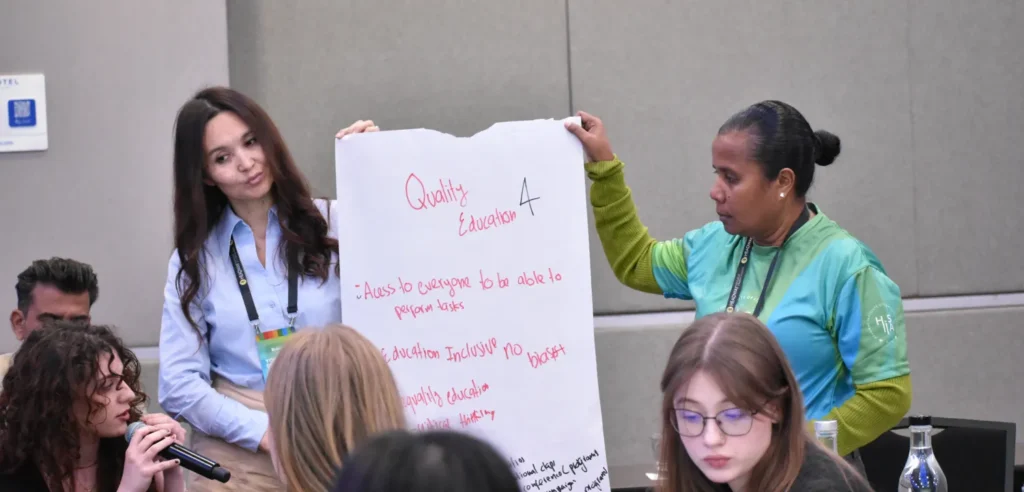
Think about the discussions you attended. Was there an idea you could apply closer to home?
Maybe you listened to a conversation about climate change, youth participation, education reform or international cooperation.
You don’t need to solve the whole issue. Start small.
You could arrange a discussion with classmates, share a useful report with your student society, volunteer with a local initiative or write a short reflection about something you learned.
The point is to move from listening to doing, even on a small scale.
This is where a youth leadership opportunity may have lasting personal value. You’re practising something, noticing what works and learning from the experience.
How to Describe Your Youth Forum Experience on Your CV or LinkedIn
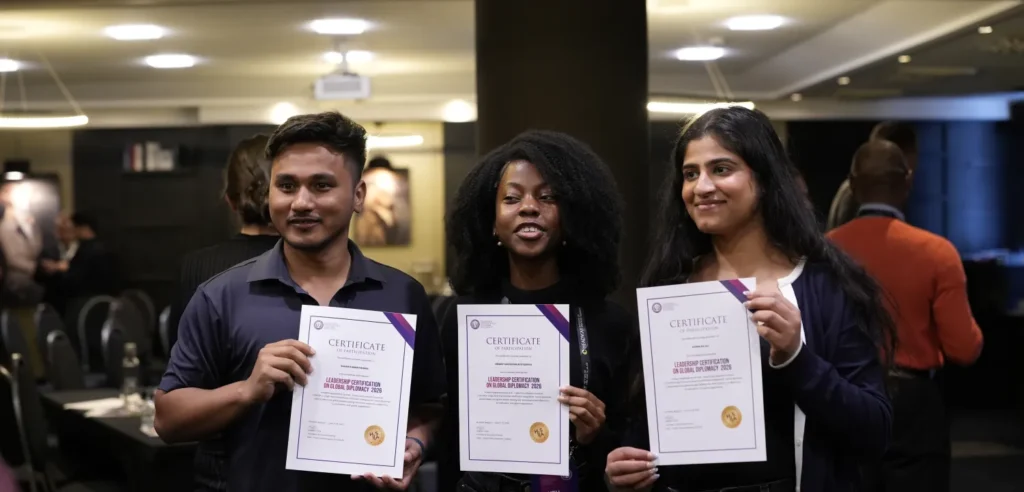
Should you add an international youth forum to your CV?
Yes, if it’s relevant and you describe your actual involvement accurately.
Include the event name, organizer, location and dates. Then explain what you participated in, such as policy discussions, workshops, group activities or presentations.
For example:
Participant, International Youth Forum, 2026
Participated in discussions on youth engagement and international cooperation, contributing to group activities and cross-cultural dialogue.
Only use details that reflect what you actually did.
Share What You Learned, Not Just Where You Went
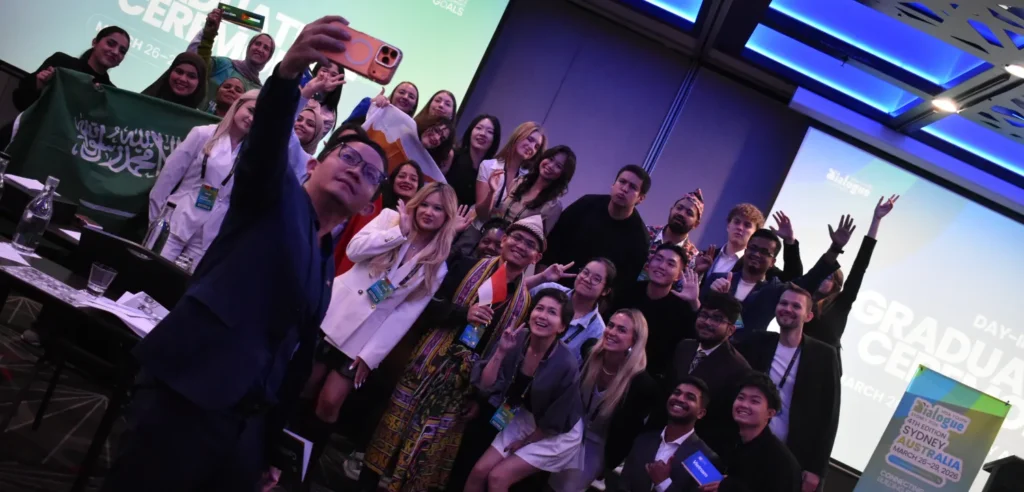
It’s natural to share conference photos or a certificate on social media. But a thoughtful post about what you learned may be more interesting to your network.
Instead of writing only that you attended an international event, try explaining one discussion that changed your perspective.
You can also acknowledge the people who contributed to your learning, provided they’re comfortable being mentioned.
Keep International Connections Alive Naturally
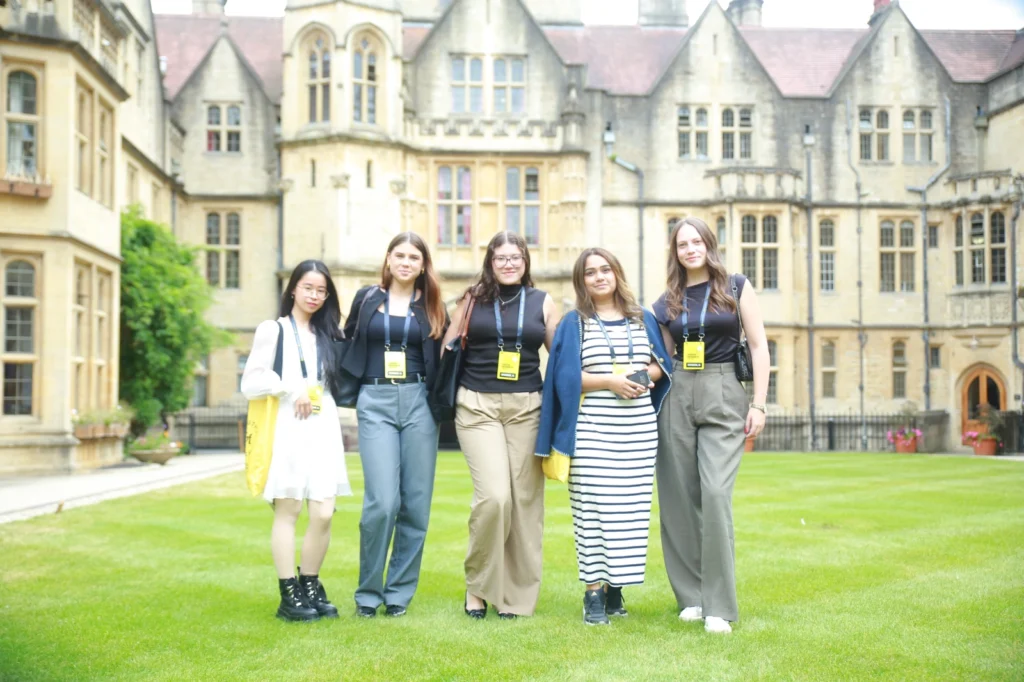
International youth networking doesn’t have to mean sending messages every week.
Sometimes staying connected is as simple as congratulating someone on a project, sharing research related to your earlier conversation or asking how an initiative is progressing.
You might reconnect months later because you’ve come across an article that relates to something you discussed.
If a conversation develops into an opportunity to work together, that’s welcome. If it doesn’t, you may still have gained a different perspective or a useful professional acquaintance.
The goal isn’t to collect the largest number of contacts. It’s to build respectful relationships where there is genuine shared interest.
Frequently Asked Questions
What should I do after attending a youth conference?
Organize your notes, follow up with relevant contacts and choose one practical idea to apply. You can also share what you learned and record your participation accurately on your CV.
How can I make international youth networking more meaningful?
Focus on a few genuine conversations rather than collecting contacts. Send personal follow-ups, stay in touch when you have something relevant to share and respect other people’s time.
Can a youth forum experience help my career?
It can help you practise communication, learn about global issues and meet people with related interests. You may also gain relevant experiences to describe in applications. However, attending a forum does not guarantee employment, mentorship or other career opportunities.
The Event Ends, but the Learning Doesn’t Have To
The value of a youth forum experience isn’t measured by how many photos you take, how many people you meet or how impressive the event looks on your CV.
It’s about what you take away from the discussions and what you choose to do afterward.
HISA brings young people together through international dialogue and learning opportunities. If you’re thinking about participating in another program, view HISA’s upcoming and past events.
For now, start with one useful conversation, one idea worth trying and one small action you can take close to home.